The Immediate Impact When an SSL Certificate Expires
Imagine a loyal customer visits your website to make a purchase. Instead of seeing your beautiful homepage, they encounter a terrifying full-screen warning. This happens the moment your SSL Certificate expires. Browsers like Google Chrome and Safari immediately flag your site as unsafe. Consequently, most users will flee your site before even seeing your content. This digital roadblock can destroy your brand reputation in seconds. Therefore, understanding the lifecycle of security certificates is crucial for every business owner.
An SSL certificate acts as a digital passport. It proves your identity and encrypts the data moving between the server and the visitor. However, these certificates are not permanent. They have fixed lifespans to ensure that security standards remain up to date. When that period ends, the encryption remains technically possible, but the trust factor vanishes entirely. In this article, we will explore the deep consequences of negligence and how you can stay protected with SSL Australia.
Why Do SSL Certificates Have an Expiration Date?
You might wonder why these security layers cannot last forever. The primary reason is security verification. The internet changes rapidly, and so do the threats. By forcing an expiration, the industry ensures that website owners regularly re-validate their identity. This practice keeps the encryption standards strong. For instance, older algorithms like SHA-1 became obsolete because they were vulnerable to hackers. Regular renewals force everyone to upgrade to modern, safer standards like SHA-256.
Furthermore, shorter lifespans prevent hackers from using stolen certificates for long periods. If a certificate lived for ten years, a compromised key could be used for a decade. Currently, the industry standard for certificate validity is 398 days. Because of this, you must keep a close eye on your renewal dates. If you need a reliable partner, you can buy SSL Certificate australia services to automate or simplify this essential task.
The Critical Security Risks When an SSL Certificate Expires
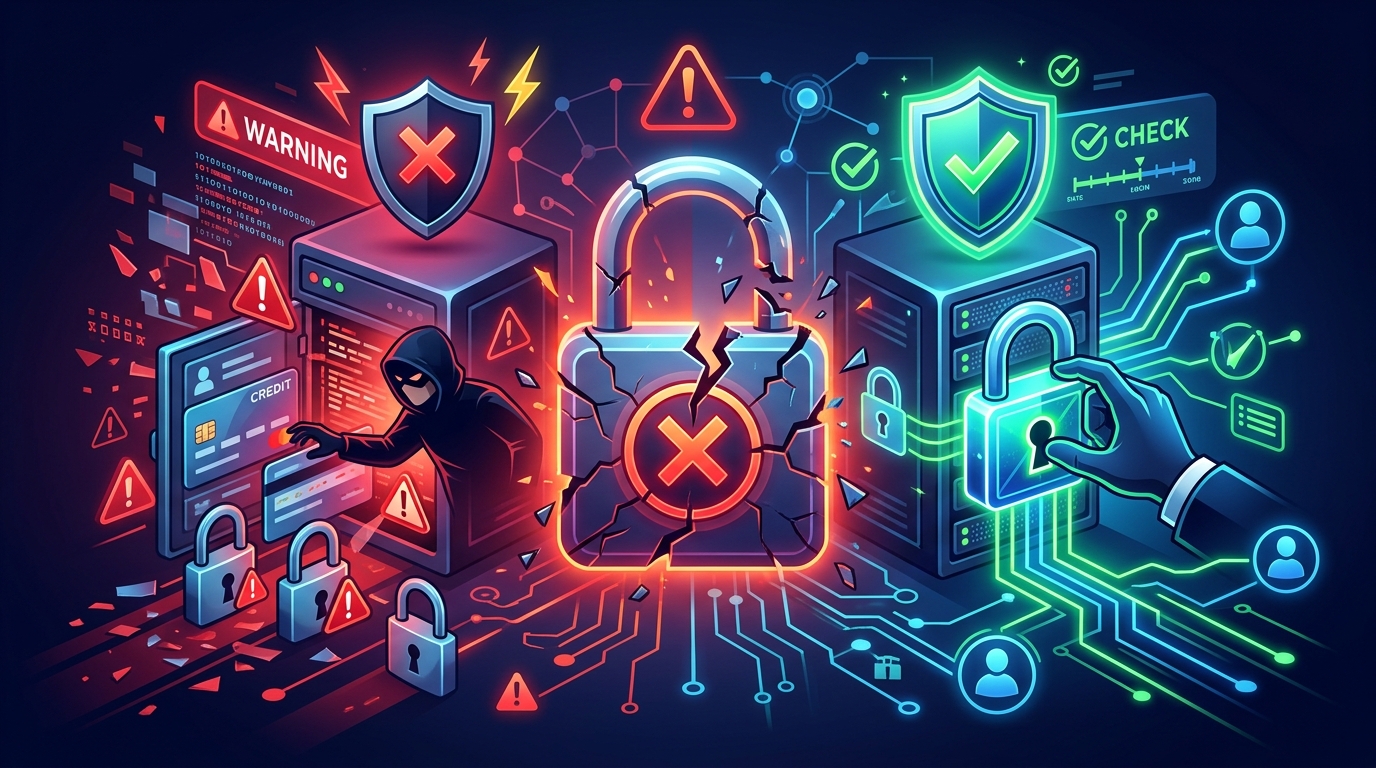
When an SSL Certificate expires, your data protection shield essentially dissolves. Although some encryption might still occur, the browser no longer recognizes the connection as secure. This creates a massive opening for cybercriminals. Specifically, it exposes your users to ‘Man-in-the-Middle’ (MITM) attacks. In such scenarios, a hacker intercepts the communication between the user and your server. They can steal login credentials, credit card numbers, and personal identity information without anyone noticing.
Vulnerability to Data Interception
Without a valid certificate, the ‘Handshake’ process fails. Browsers stop verifying that the server belongs to the actual owner. Attackers can then spoof your website. They trick users into entering sensitive data on a fake version of your page. Moreover, the lack of encryption means that data travels in ‘Plain Text’. Anyone with access to the network path can read this data easily. This is why financial institutions and e-commerce stores must never let their certificates lapse.
As a business, you have a legal and ethical duty to protect user data. Many regions have strict privacy laws, such as the GDPR or the Australian Privacy Act. An expired certificate could lead to compliance failures. Consequently, you might face heavy fines or legal battles. To avoid these headaches, many local firms choose trusted industry leaders to monitor their security status.
Devastating SEO and Traffic Consequences When an SSL Certificate Expires
Search engines like Google prioritize user safety above all else. Since 2014, HTTPS has been a significant ranking signal. When your SSL Certificate expires, Google notices almost immediately. Their crawlers will flag your site as non-secure. As a result, your hard-earned search engine rankings will plummet. Even if you fix the issue within a day, it may take weeks for your traffic to return to its previous levels.
Loss of Organic Search Visibility
The Google algorithm penalizes sites that provide a poor user experience. A security warning is the ultimate ‘poor experience’. When your bounce rate increases because users are scared away, Google interprets this as a sign that your site is not valuable. Therefore, you lose visibility for your top keywords. In the competitive digital landscape of Australia, this can be a fatal blow to your marketing strategy.
Furthermore, browsers will show a ‘Not Secure’ label in the URL bar. This label acts as a permanent warning sign to anyone who manages to bypass the initial block. In contrast, a valid certificate from SSL Australia provides that reassuring green padlock or secure status. This visual cue is essential for maintaining a high conversion rate and low bounce rate.
The Hidden Cost: Brand Trust and Revenue
The financial impact of an expired certificate goes beyond just SEO. It strikes at the heart of customer trust. Trust is hard to build but incredibly easy to break. If a customer sees a security warning on your checkout page, they will likely never return. They will perceive your business as unprofessional or, worse, fraudulent. Consequently, your conversion rates will drop to zero until the issue is resolved.
The Psychological Barrier for Customers
Most internet users today are educated about online safety. They look for the padlock icon before entering their credit card details. When that icon is replaced by a red ‘X’ or a warning sign, their subconscious registers danger. Even if your products are the best in the market, this psychological barrier prevents the sale. As a result, you lose immediate revenue and potential lifetime value from that customer.
To prevent this, savvy business owners in the region choose to buy SSL Certificate Australia from providers who offer automated reminders. Staying proactive is much cheaper than trying to win back a customer who felt unsafe on your site. You should view SSL management as a core part of your customer service strategy, not just a technical chore.
How to Prevent Your SSL Certificate from Expiring
Prevention is always better than cure, especially in cybersecurity. You should not wait for the warning to appear before taking action. The best approach is to implement a robust management system. First, you should keep an updated inventory of all your certificates. Secondly, set up multiple alerts at the 90, 60, and 30-day marks. This gives your IT team enough time to handle the renewal and installation process.
Automate the Renewal Process
Many modern hosting environments support automation tools like AutoSSL or Let’s Encrypt. However, for business-grade validation (like OV or EV certificates), manual steps are often required. In these cases, working with a dedicated provider like SSL Australia is the smartest move. They provide the expert support needed to navigate the validation process quickly. This ensures that your new certificate is ready and installed long before the old one dies.
Additionally, always ensure that you have access to the administrative email associated with your certificate. Many renewals fail simply because the notification email went to an inbox that no one checks anymore. By centralizing your certificate management, you eliminate these simple human errors. To summarize, being proactive saves you from the embarrassment and financial loss of a site-wide security warning.
Choose the Right Certificate for Your Needs
Not all certificates are created equal. Depending on your business size, you might need a simple Domain Validated (DV) certificate or a more robust Extended Validation (EV) certificate. When you buy SSL Certificate Australia, make sure to consult with experts. They can help you choose the level of trust that matches your brand’s requirements. For example, a large e-commerce platform needs the high-trust signals of an EV certificate, while a small personal blog might be fine with a standard DV option.
Conclusion: Protect Your Website Before Your SSL Certificate Expires
In conclusion, the moment an SSL Certificate expires, the clock starts ticking on your business’s reputation. You face immediate security vulnerabilities, a massive drop in SEO rankings, and a total loss of customer trust. The ‘Not Secure’ warning is a scarlet letter in the digital world that you must avoid at all costs. However, by staying organized and using reliable local services like SSL Australia, you can ensure your site remains a safe haven for your visitors.
Don’t wait for your traffic to hit zero. Check your expiration dates today. If you are near your limit, take the necessary steps to renew immediately. Your customers, your wallet, and your Google rankings will thank you. For the best support and local expertise, always choose to SSL Australia for your website security needs.